
What Is a Safari? A Complete Guide to Safari Travel
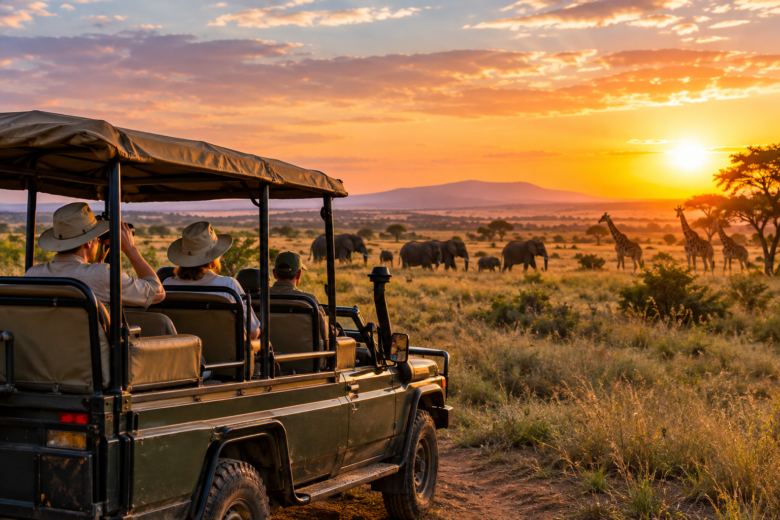
Picture yourself sitting quietly in an open vehicle as the morning sun rises over the grasslands. A herd of elephants moves across the horizon, birds call from nearby trees, and somewhere beyond the bushes, a lion may be resting in the shade. If you have ever wondered what is a safari, this is the experience most people have in mind.
A safari is a wildlife-focused journey where travelers explore natural habitats to observe animals, plants, landscapes, and local ecosystems. Although safaris are strongly associated with Africa, similar wildlife experiences are available in other parts of the world.
For many travelers, a safari is more than simply seeing animals. It can involve early-morning game drives, walking excursions, photography, conservation experiences, cultural activities, and evenings at a lodge surrounded by nature.
What Is a Safari?
A safari is a trip designed primarily for observing wildlife in its natural environment. The word has roots in the Swahili word safari, meaning journey or travel.
Today, the term usually refers to wildlife trips, particularly those involving national parks, private reserves, and protected wilderness areas.
Unlike a traditional zoo visit, a safari takes place in an animal’s natural habitat. Therefore, sightings are never completely guaranteed. That uncertainty is part of the experience.
Depending on the destination, visitors might see lions, elephants, giraffes, zebras, rhinoceroses, leopards, buffalo, hippos, crocodiles, or hundreds of bird species.
What Is a Safari in Africa?
When people ask what is a safari in Africa, they are usually referring to guided wildlife travel through African national parks or private reserves.
Popular safari countries include Kenya, Tanzania, South Africa, Botswana, Namibia, Zambia, Zimbabwe, and Uganda. Each offers a different combination of wildlife, scenery, accommodation, and travel styles.
For example, Kenya’s Maasai Mara is famous for large concentrations of wildlife and seasonal migration activity. Tanzania offers destinations such as the Serengeti and Ngorongoro Conservation Area, while Botswana is known for wildlife-rich areas including the Okavango Delta.
South Africa can be particularly convenient for first-time visitors because it combines major wildlife areas with well-developed tourism infrastructure.
How Does a Safari Work?
Most safaris are organized around guided wildlife activities. The exact schedule depends on the destination, accommodation, season, and type of safari.
A typical day might begin before sunrise. After a quick breakfast or coffee, guests leave with a trained guide for a morning game drive.
Animals are often more active during cooler parts of the day. As a result, early morning can provide excellent opportunities for wildlife viewing.
After returning to camp or a lodge, travelers usually have time to relax, eat lunch, or enjoy the surrounding property. Later, another game drive may take place during the afternoon.
Some destinations also offer evening drives, walking safaris, boat trips, or specialized photography excursions.
What Is a Safari Park?
A safari park is a managed wildlife attraction where visitors can observe animals in large outdoor habitats, often from vehicles.
Safari parks vary considerably. Some operate more like traditional wildlife parks, while others provide large, open environments designed to resemble natural ecosystems.
A safari in a national park or private wilderness reserve is generally a different experience from visiting a safari park. In a wild reserve, animals usually move freely through a much larger natural environment.
Where Can You Go on Safari?
Africa remains the world’s best-known safari region, but choosing a country depends on what you want from the trip.
| Destination | Often known for | Good for |
|---|---|---|
| Kenya | Maasai Mara and diverse wildlife | First-time safari travelers |
| Tanzania | Serengeti and Ngorongoro | Wildlife and landscapes |
| South Africa | Kruger and private reserves | Easy logistics and varied trips |
| Botswana | Okavango Delta | Wilderness and water-based viewing |
| Namibia | Desert landscapes and wildlife | Scenic road trips |
| Zambia | Walking safaris | Active wildlife experiences |
| Uganda | Mountain gorillas and forests | Primates and varied ecosystems |
| Zimbabwe | Wildlife and wilderness areas | Experienced safari travelers |
Because every destination has different ecosystems, travel style matters as much as the animal checklist.
For instance, someone interested in gorilla trekking may choose Uganda or Rwanda rather than a traditional savanna safari. Meanwhile, a traveler focused on elephants and remote wilderness might consider Botswana.
The Best Time to Go on Safari
There is no single best safari season for every destination. Weather patterns, animal behavior, vegetation, road conditions, and migration cycles all affect the experience.
In many East African destinations, the dry season is popular because vegetation becomes thinner and animals may gather around remaining water sources. Roads can also be easier to navigate.
However, the wet or green season has its own appeal. Landscapes become lush, fewer visitors may be present, and birdwatching can be excellent.
Safari Seasons at a Glance
Dry season: Often offers easier wildlife viewing and favorable road conditions.
Green season: Landscapes are greener, birdlife can be impressive, and some areas may have fewer tourists.
Migration periods: Certain regions experience major movements of grazing animals, creating distinctive wildlife-viewing opportunities.
Because seasons differ between countries, check the specific destination before booking flights or accommodation.
What to Expect During a Safari
A safari can be peaceful, exciting, tiring, and unpredictable within the same day.
You may spend several hours driving slowly across a reserve before finding a single animal. Then, suddenly, your guide may spot a leopard hidden in tall grass.
Guides are a major part of the experience. Experienced guides know animal behavior, tracks, calls, and the terrain. They can also explain how different species interact with their environment.
Photography is another popular activity. However, travelers should avoid expecting every encounter to produce a perfect photograph. Wildlife moves on its own schedule.
Silence also matters. Keeping voices low can make it easier to observe animals without disturbing them.
Safari Accommodation Options
Safari accommodation ranges from simple campsites to luxurious private lodges.
Tented camps can offer an especially atmospheric experience because you remain close to the sounds of the wilderness. Permanent lodges, meanwhile, often provide more traditional hotel-style rooms and facilities.
Before booking, check what the price includes. Some packages cover accommodation, meals, game drives, park fees, and transfers, while others charge these separately.
For families, look carefully at age restrictions. Some camps do not accept young children, while others provide family rooms and child-friendly activities.
Travelers researching the best places to travel with kids may also find that safari suitability depends heavily on the children’s ages and the property’s specific rules.
How Much Does a Safari Cost?
Safari prices vary widely.
Budget trips may use basic camps, shared vehicles, and larger group tours. Mid-range options typically provide comfortable lodges and scheduled game drives. Luxury safaris can include private guides, high-end camps, charter flights, and personalized activities.
Your total budget should include more than the accommodation rate.
Consider:
- International flights
- Domestic flights or transfers
- Park or conservation fees
- Accommodation
- Meals
- Game drives
- Guide fees
- Travel insurance
- Visas, where applicable
- Tips
- Optional activities
A slightly longer trip is not always dramatically more expensive if transportation is already included in the package. Therefore, compare the full itinerary rather than looking only at the nightly room price.
What to Pack for a Safari
Safari packing is generally straightforward, but practical clothing makes a major difference.
Pack lightweight, comfortable clothing that works for warm days and cooler mornings. Neutral colors are commonly recommended because they are less visually distracting in wildlife environments.
A useful packing list includes:
- Lightweight shirts and trousers
- A warm layer for early mornings
- Comfortable walking shoes
- Sun hat
- Sunglasses
- Sunscreen
- Insect repellent
- Binoculars
- Camera and spare batteries
- Reusable water bottle
- Small daypack
- Personal medications
- Travel documents
What Is a Safari Hat Called?
A traditional safari-style hat is often called a safari hat, bush hat, or sun hat. Classic versions usually have a wide brim that helps protect the face and neck from strong sunlight.
You do not need a specialized hat, though. A comfortable wide-brimmed sun hat that stays secure in the wind can work well.
A Simple Safari Itinerary
For a first trip, a five- to seven-day itinerary can provide a good balance between wildlife viewing and travel time.
| Day | Suggested activity |
|---|---|
| 1 | Arrive and transfer to your lodge |
| 2 | Morning and afternoon game drives |
| 3 | Full-day wildlife excursion |
| 4 | Relaxed morning and afternoon drive |
| 5 | Game drive or walking experience |
| 6 | Visit another reserve or cultural attraction |
| 7 | Final wildlife activity and departure |
If you have more time, spending several nights in different habitats can add variety.
For example, combining a major savanna reserve with a forest or wetland destination can provide opportunities to see different species and landscapes.
Safari Travel for Families and Solo Travelers
Safaris can work for families, couples, groups, and solo travelers, but planning details differ.
Families should confirm minimum ages for game drives and walking activities. They should also ask whether lodges offer family rooms, children’s meals, babysitting, or educational activities.
A private vehicle can provide additional flexibility for families because the schedule can sometimes be adapted around children’s needs.
Solo travelers may prefer small group departures because they provide companionship while keeping costs manageable. However, private safaris can offer more control over schedules and activities.
Travelers comparing options with other types of trips may also find useful ideas in guides covering best family vacation destinations with kids.
Food on Safari
Food quality can be surprisingly varied on safari.
Many lodges serve breakfast, lunch, afternoon snacks, and dinner as part of the stay. Menus may combine international dishes with local ingredients and regional specialties.
Some camps offer outdoor meals or picnic lunches during full-day drives.
If you have allergies, dietary restrictions, or religious dietary requirements, tell the lodge before arrival. Remote properties often need advance notice to prepare suitable meals.
Drinking water is also worth checking. Many established lodges provide treated or bottled water, but practices differ between destinations.
Safari Safety Tips
Wild animals are unpredictable, even when they appear calm.
Always follow your guide’s instructions. Never leave a vehicle unless your guide says it is safe to do so.
Avoid feeding animals or trying to attract their attention. Do not approach wildlife for photographs, and never assume that an animal is harmless because it appears accustomed to vehicles.
At camps, follow instructions about walking after dark. Some properties require guests to be escorted between buildings because wildlife can move through the area at night.
Travel insurance is also worth arranging before departure, particularly when your itinerary includes remote locations or domestic flights.
Common Safari Mistakes to Avoid
A little preparation can prevent common problems.
Packing too much: Many safari vehicles have limited luggage space, especially on small aircraft. Check baggage restrictions before departure.
Expecting guaranteed sightings: Wildlife is not a scheduled attraction. Even famous parks can produce quiet game drives.
Ignoring travel time: Distances between reserves can look short on a map but take much longer over rough roads.
Choosing only by price: A cheap package may exclude park fees, transfers, meals, or activities.
Overplanning every day: Leave room for rest. Early starts can make a safari surprisingly tiring.
Forgetting binoculars: Even when animals are visible, they may be far away. Binoculars can transform distant sightings.
A Quick Safari Planning Checklist
Before booking, work through this list:
- Choose your preferred country and wildlife experience.
- Check seasonal weather conditions.
- Decide whether you want a group or private safari.
- Compare what different packages include.
- Check luggage restrictions.
- Confirm accommodation age policies if traveling with children.
- Arrange appropriate travel insurance.
- Check passport and visa requirements.
- Pack practical clothing and sun protection.
- Bring binoculars and camera equipment.
- Follow wildlife and guide instructions throughout the trip.
If you are traveling alone, researching best solo travel destinations can also help you compare safari travel with other independent-trip options.
Frequently Asked Questions
Is a safari only in Africa?
No. Africa is the region most closely associated with safaris, but wildlife-focused trips exist in other countries as well. The word describes a type of journey rather than one specific destination.
What is a safari in simple terms?
A safari is a trip where travelers explore natural environments to observe wildlife. It commonly involves guided game drives, although walking, boat, and other experiences may also be available.
How long should a safari last?
A first safari can work well at around five to seven days, although shorter trips are possible. Longer itineraries allow travelers to explore multiple habitats or reserves.
Is a safari suitable for children?
It can be, depending on the child’s age and the safari property. Some camps have minimum-age rules, while others specifically cater to families.
What animals can you see on safari?
Depending on the destination, you may see elephants, lions, leopards, giraffes, zebras, buffalo, rhinoceroses, hippos, crocodiles, monkeys, and many bird species.
Is a safari expensive?
Costs range from budget group trips to luxury private experiences. Location, accommodation, transportation, season, park fees, and the level of service all influence the final price.
Planning Your First Safari
So, what is a safari really about? At its heart, it is a journey into wildlife habitat where the experience depends on nature rather than a fixed schedule.
The most rewarding trips usually start with realistic expectations. Choose a destination based on the wildlife and landscape you want to experience, then consider the season, accommodation, transportation, and budget.
Give yourself enough time to enjoy the slower rhythm of the wilderness. Some of the most memorable moments may come between major sightings: a sunrise over the savanna, a herd crossing a road, or the sounds of wildlife around camp after dark.
With thoughtful planning, a safari can become a distinctive travel experience that combines adventure, photography, nature, and a closer understanding of the world’s wild places.